Challenge B: Substantive Post

Colour in Storytelling
While searching for an educational video in the early stages of Challenge B, I decided to reflect on a video I had stumbled across while taking a video class a few years ago. The video by The House of Tabula touches on colour and the impact it has on visual storytelling. With the usage of visuals in combination with a narrative, The House of Tabula addresses this subject using examples of how films use colour in their cinematography.
The House of Tabula utilizes various principles in their video that have been covered under the theories and principles of multimedia learning. They manage an intrinsic cognitive load by using pretraining, segmenting and modality within their video.
(Before watching this, please be mindful the first 20 seconds of the video contains very quick flashing colours)
Pretraining:

To explain using colour in storytelling, The House of Tabula lays out terminology used within colour theory to help the viewer gain a better foundation of concepts used within the video. They lay out the key elements of colours and colour palettes, such as hue, saturation, vibrancy, and colour palettes that are balanced and discordant. This is the pretraining in an intrinsic load, as the terminology is obviously laid out to the viewer to make the content more understandable.
Segmenting:
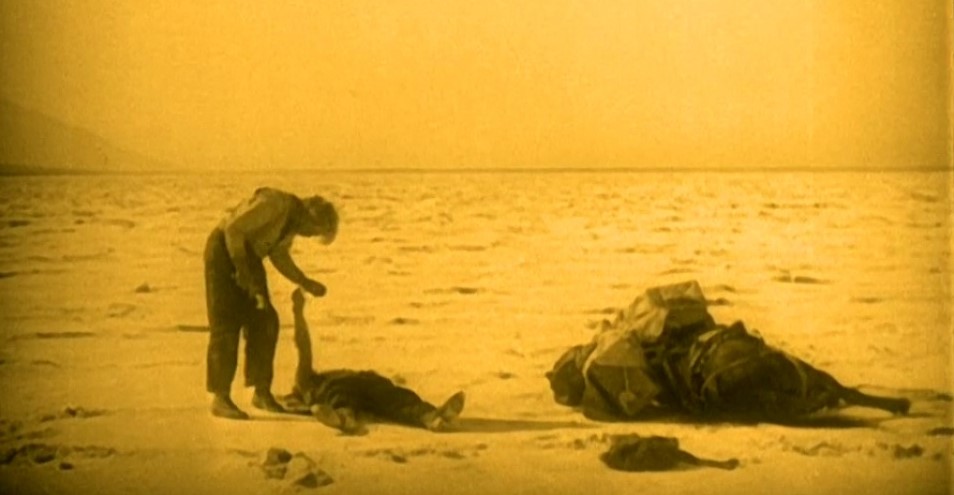
The video is segmented out by different modules to convey the overall learning outcome. They keep the video in sections by how colour is applied to a scene: singular colour and its elements, colour palettes, and transitional colour. Each of these topics are segmented within the video allowing for it to be more manageable for each module, much like how segments within an intrinsic load would break up a topic into simple sections to build into a more complex idea.
Modality:

The House of Tabula strongly uses modality within their video. This is done by the pairing of film clips that match the technique they are explaining in the narration. For instance, when The House of Tabula is speaking of discordance (a disruption or out of place colour), they feature various film scenes that utilize discordance, conveying the meaning without the use of text. This is a method mentioned within the intrinsic load, saying the words in combination with showing the image.
Hey Hailey, your post stood out because of how clearly you explained pretraining, segmenting, and the modality principles within the context of the video. I especially liked how you connected the pertaining principle to the introduction of colour terminology. I thought that this explanation made the concept easy to visualize and helped me see how foundational knowledge reduces cognitive load. I liked that your writing was organized into short and focused sections that mirror the segmentation principle itself. It makes your analysis easy to follow and reinforces the exact principles you were talking about.
I wonder if you could explain further on why these design choices make learning more effective for viewers such as how pairing narration and visuals together can help learners process abstract film concepts or how segmentation might support long-term retention. I think everything was pretty well written and I love the pictures you’ve added to support each heading to solidify its importance and relevance.
Overall, your analysis was thoughtful and interesting to look at and read.